
From Fashion Tastemaker to Social Influencer…what’s in the name?
As an avid observer of influence in fashion, I have spotted a notable shift in discussions of fashion tastemakers; they now prefer to focus on social influencers. This is in part, an up-dating of terminology acknowledging the importance of social media to fashion; however, on closer inspection the changing terms suggest there is more going on than just a semantic shift.
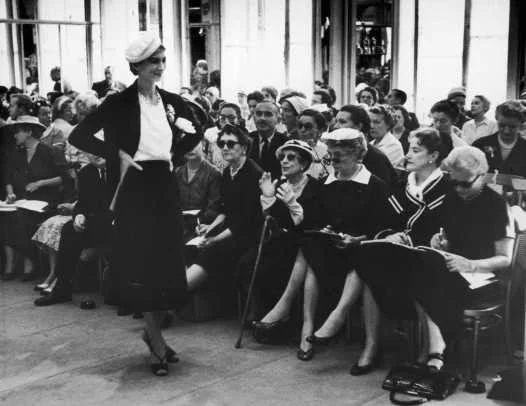
Fashion influencers refer to a new group of individuals that serve to mediate our tastes. This new breed have emerged in a dynamic multi-channel fashion media environment of the 21st century that allows them to effect influence, reach large numbers and connect disparate groups through their on-line presence. The digitally enhanced context is important to their success, but recognising how these individuals differ from previous fashion tastemakers can be unpacked through the notion of taste.
In investigating the distinction between tastemaker and influencer, there appears to be a fundamental difference in the conception of taste. If we think of taste as “a restrictive cultured sense of connoisseurship” - it is something that is focused on knowledge and expertise, in particular, knowledge about the objects that express taste. This idea of taste is defined by identifying qualities in products or people, usually determined by experts.
Alternatively, we can think of taste as an activity. This concept of taste is more variable and complex, but we can recognise it in our own taste-determining actions. Antoine Hennion argues that individual taste evolves by reflexively working on oneself, trying and testing new things whilst getting feedback from others. Our taste is a way of building relationships with things and with people – whether it’s through music, wine, designer accessories or vintage clothes. Taste as an activity or a performance makes the body (and its experience) central to the mediation process, rather than specialist knowledge.
Analysing the differences between 21st century fashion influencers and conventional fashion tastemakers, considering these differing notions of taste provide useful insight. In the mass-communication systems of the 20th century, expert insider knowledge conveyed through monthly magazines was important and effective. Nowadays, we have instant on-line access to extensive fashion information, allowing us to be as informed and up-to-date as the experts. Fashion’s social influencers mediate taste differently - actively. Operating in the feedback loops that social media provides, they demonstrate their ability to be reflexive managers of their own taste, in so doing they propose ways for us to perform our own taste-making activities.